

Your nonprofit is doing real work. You are feeding families, sheltering people in crisis, mentoring youth, and building community. But if someone in your city searches “food bank near me” or “youth programs in [your city]” right now, do they find you?
For most nonprofits, the honest answer is no.
And that gap between the work you do and the people who need it is not a funding problem. It is a local search problem. The good news: it is also one of the most fixable problems in marketing, and most of the tools are completely free.
The Stakes Are Higher Than You Think
Organic search drives nearly 40% of nonprofit website traffic (David Pisarek, November 2025). That means search engines are already your single biggest traffic source, whether you have optimized for them or not. Now consider this: 62% of consumers will disregard an organization they cannot find online (Daxko/Safari Digital, July 2025).
Read that again. Nearly two-thirds of the people searching for help, looking to volunteer, or wanting to donate will move on if they cannot find you quickly.
And here is the part that makes local SEO especially urgent for nonprofits in 2026: 46% of all Google searches have local intent. People are not just searching for “food assistance.” They are searching for “food assistance in [city].” They want something nearby, specific, and real. That is your organization. But only if Google knows you exist and trusts you enough to show you.
Why Local Search Is Still Human-Driven in 2026
AI Overviews have disrupted a lot of informational search. Ask Google a general question and you will often get an AI-generated answer before you ever see a website. But local intent queries are among the least affected by this shift (Lauren Lester, June 2026).
Here is why: Google cannot recommend a specific food bank in your city. It cannot tell someone which youth mentorship program is right for their neighborhood. Local search requires a local, specific, human answer, and that means the local pack and local organic results remain click-driven.
For nonprofits, this is a significant opportunity. While AI reshapes the broader search landscape, local SEO remains one of the most stable, high-value channels available. Organizations that invest in it now will hold their rankings even as the rest of search evolves.
The Google Local 3-Pack: Your Most Valuable Free Real Estate
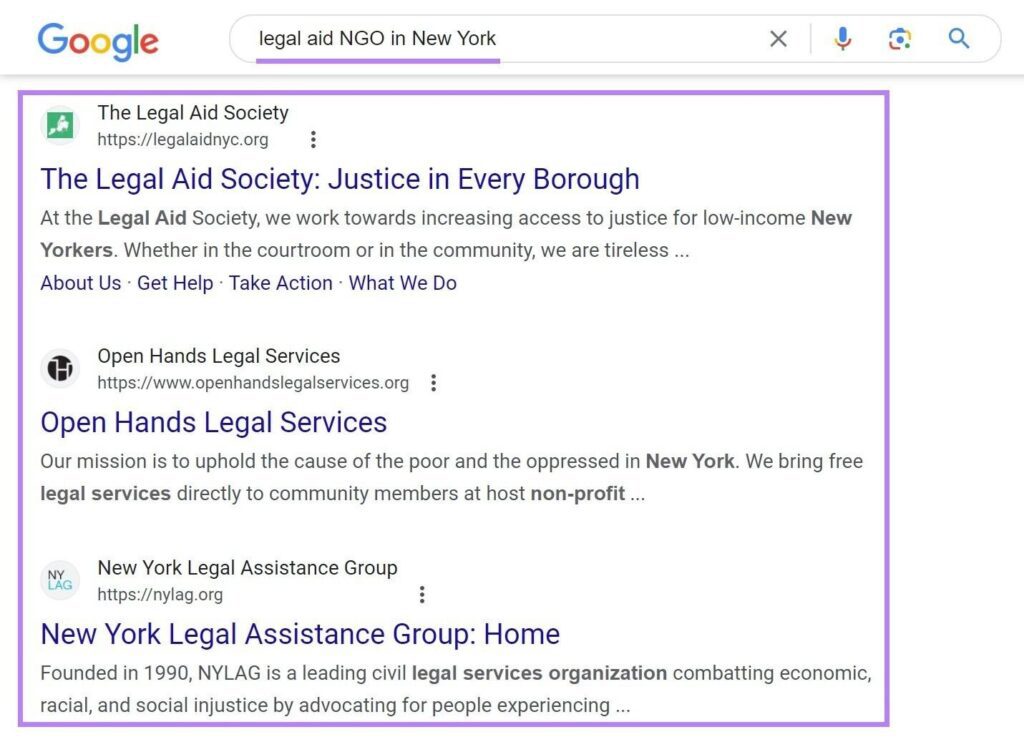
The Google Local 3-Pack, the three business listings that appear at the top of local search results with a map, appears in 93% of searches with local intent (Safari Digital, cited by Daxko, July 2025). Nearly half of all clicks on local search pages go to those three results.
Your Google Business Profile (GBP) is the primary driver of whether you appear there.
Most nonprofits have either never claimed their GBP or set it up years ago and forgotten about it. That is a significant missed opportunity. A fully optimized GBP is free, takes a few hours to set up properly, and can put your organization in front of donors, volunteers, and clients at the exact moment they are searching.
6 Steps to Master Local SEO for Your Nonprofit
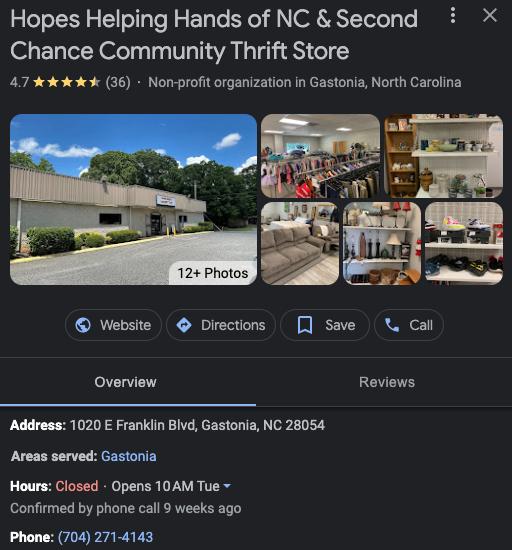
Step 1: Claim and Optimize Your Google Business Profile
Go to google.com/business and claim your listing if you have not already. Fill out every field completely: your organization name, address, phone number, website, hours, and a detailed description of your services. Upload photos of your facility, your team, and your programs in action. Add your specific services with descriptions.
For nonprofits, your GBP category matters. Choose the most specific category that fits your mission: “Food Bank,” “Youth Organization,” “Community Center,” or “Non-Profit Organization.” Add secondary categories where relevant.
Step 2: Lock Down Your NAP Consistency
NAP stands for Name, Address, and Phone number. Every time your organization appears online, these three pieces of information need to be identical. Not similar. Identical.
Check your listings on Yelp, Bing Places, Apple Maps, and any local directories. Then check the nonprofit-specific platforms: Charity Navigator, GuideStar/Candid, and your local community foundation directory. Inconsistencies confuse Google and suppress your rankings.
Step 3: Get Listed on Nonprofit-Specific Citation Sources
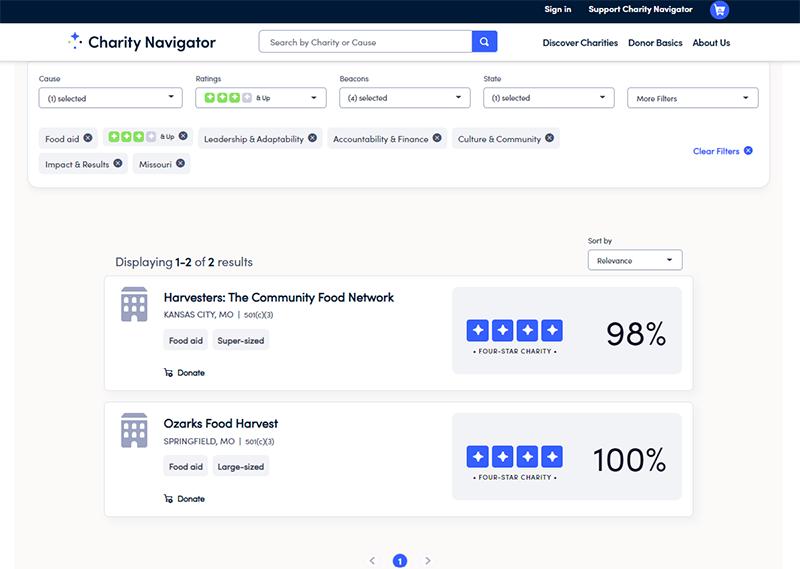
This is the step most local SEO guides skip entirely, but it is critical for nonprofits. A listing on Charity Navigator or GuideStar/Candid carries significantly more authority in Google’s eyes than a dozen generic directory listings (Lauren Lester, June 2026). These platforms are recognized as high-authority sources for nonprofit information.
If your organization is not listed on both, stop reading and go do that first.
Step 4: Build Location-Based Keywords Into Your Website
Your website needs to speak Google’s language. That means using location-specific phrases throughout your content: “food bank in [city],” “youth mentorship programs [city],” “volunteer opportunities near me.”
Create a dedicated page for each major service you offer. Write blog posts about local impact stories, community events, and neighborhood guides. The more your website connects your mission to your specific geography, the more Google trusts you as a local resource.
Step 5: Build Local Backlinks
Backlinks, links from other websites to yours, are one of Google’s strongest trust signals. For nonprofits, the best backlink sources are right in your community: partner organizations, local press coverage, your chamber of commerce, community foundations, and corporate sponsors.
Every time a local organization mentions your work, ask them to link to your website. Every press mention should include a link. These local backlinks tell Google that your organization is a recognized, trusted part of the community.
Step 6: Collect Reviews Systematically
Reviews are a top-three local ranking factor (Lauren Lester, June 2026; David Pisarek, November 2025). Not just the number of reviews, but their recency and sentiment.
Nonprofits have a natural advantage here: you have volunteers, board members, program participants, and organizational partners who genuinely believe in your work. Ask them for Google reviews. Make it easy with a direct link. Respond to every review, positive or negative, within 48 hours.
A local food bank that optimized its Google Business Profile with detailed service descriptions and regular updates began ranking for food assistance searches in its area within weeks, leading to a surge in both client visits and volunteer inquiries (David Pisarek, November 2025). Reviews were a key part of that strategy.
Who Is Searching for You Right Now?
Unlike for-profit businesses that serve one primary customer, nonprofits serve multiple audiences through local search simultaneously:
- Donors searching for causes to support in their community
- Volunteers looking for local opportunities
- Clients and beneficiaries seeking services like food, shelter, youth programs, or counseling
- Grant-makers researching potential grantees
- Corporate partners seeking community organizations to sponsor
Every one of these audiences uses local search. Every one of them can find you, or not find you, based on how well your local SEO is set up. A strong Google Business Profile and consistent local presence serves all of them at once.
The Bottom Line
Your nonprofit is doing work that matters. The people who need you, the donors who want to support you, and the volunteers who want to serve alongside you are already searching. Local SEO is the bridge between your mission and the community you serve, and in 2026, it is one of the most AI-resistant, high-ROI marketing investments available to any organization.
The best part? Most of it is free. It just requires intention, consistency, and a few hours of focused effort.